Summary: Preserving History with Compliant Concrete
Replacing exterior concrete masonry in historic districts like Woodside, National Park Seminary, or Takoma Park requires strict adherence to preservation standards. Standard modern concrete pours look jarringly bright, flat, and out of place next to 20th-century architecture.
Property owners must install weathered, aggregate-matched concrete that mirrors the craftsmanship of the 1920s to 1940s. They must also secure approval from local regulatory bodies before breaking ground.
By executing specific aggregate exposures and navigating the local regulatory framework, contractors can deliver structurally reinforced concrete that fully honors historic aesthetics — whether the project is a failing front walk, a crumbling stoop, or a period retaining wall.
Table of Contents
The Aesthetics of Historic Concrete Matching
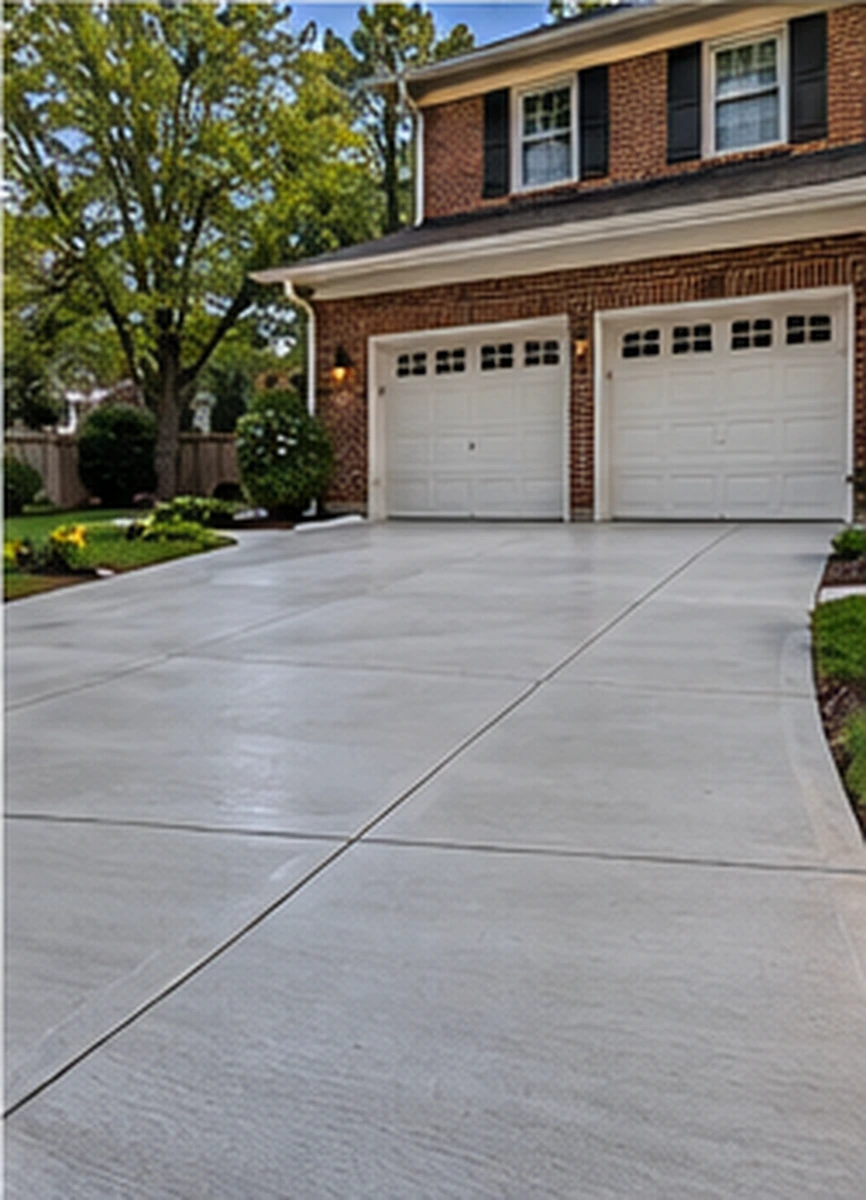
Modern commercial concrete uses highly refined, bright-white or light-gray Portland cement with minimal visible aggregate. This uniform finish creates an immediate visual clash when placed next to early- to mid-20th-century homes.
Achieving a true historic look requires matching the color, size, and shape of regional gravels used decades ago. Contractors must source specific local river gravels and crushed Maryland limestone to emulate the original composition. This is the foundation of any successful historic concrete repair in a Montgomery County preservation district.
To mimic 1920s–1940s craftsmanship, craftsmen apply chemical surface retarders immediately after finishing the pour. The retarder slows curing of the top paste layer only.
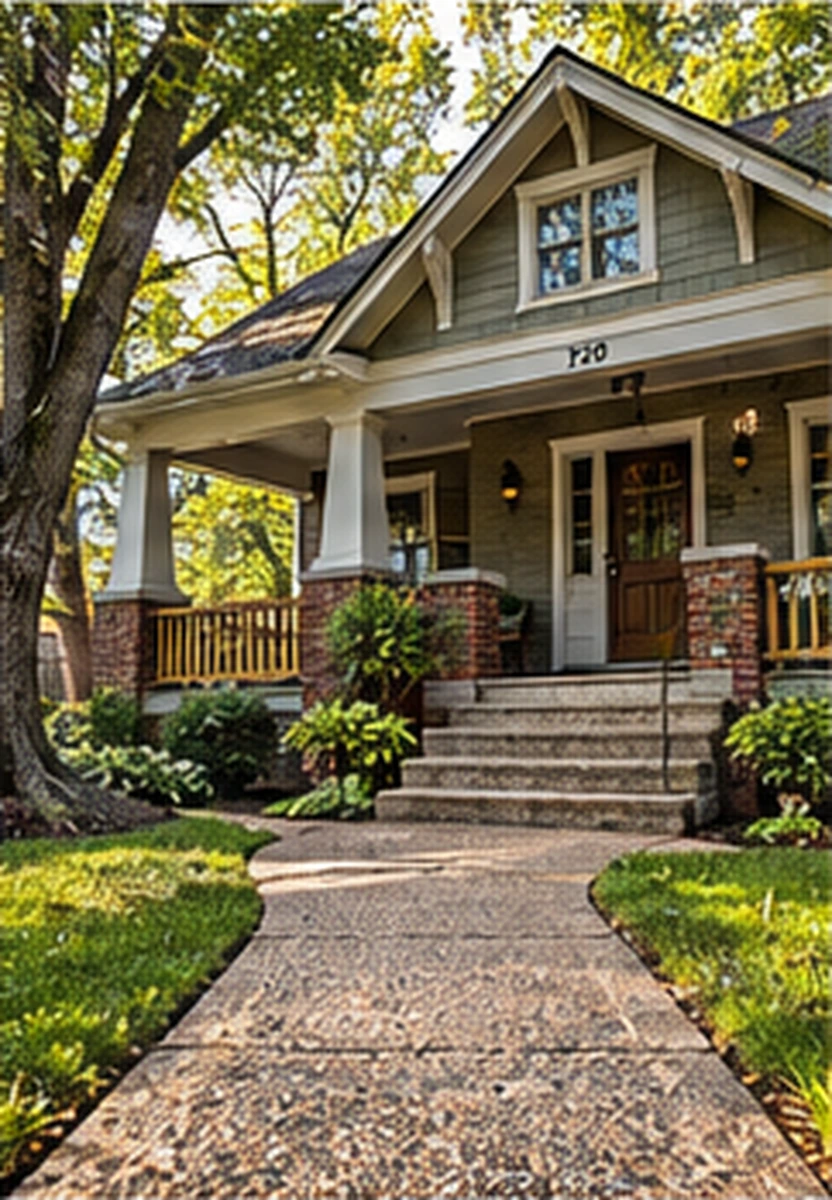
After a calculated setting window, technicians wash away the unhardened surface paste. This technique slightly reveals the underlying aggregate stones, dulls the harsh sheen of fresh concrete, and creates a naturally weathered broom finish that reads as period-appropriate to a preservation reviewer.
Sourcing Regional Components for Period Customization
Matching mid-century infrastructure requires looking past standard supply-store options. In the 1920s and 1930s, builders sourced sand and gravel from nearby Potomac River basins and local Maryland quarries. These materials carried distinctive tan, buff, and warm iron-stained undertones. The same principle holds wherever regional geology defines an authentic palette — the dramatic Natural Stone Fireplace Designs in Colorado draw their character from locally quarried stone in exactly this way.
Modern ready-mix lacks these color profiles because suppliers process out color variations to maintain commercial consistency. To achieve an authentic color match, specialized contractors build custom batch formulas by combining iron-oxide pigments with dark sands.
| Era | Primary Aggregate Characteristics | Finishing Technique |
|---|---|---|
| 1920s Bungalow / Craftsman | Coarse, rounded river pebbles; visible variations in tan and gold tones. | Lightly exposed aggregate with a medium-stiff broom sweep. |
| 1930s Art Deco / Streamline | Finer, crushed limestone; uniform gray-to-white tones. | Smooth hand-troweled surfaces with sharp, incised geometric joints. |
| 1940s Post-War Traditional | Mixed-size gravels; higher sand content yielding a gritty texture. | Coarse broom finish to maximize traction on public walkways. |
Contractors must pour physical mockup blocks before the main pour. Technicians let these test blocks cure completely under local humidity conditions to verify that the final exposed-aggregate color accurately reflects the neighborhood's architectural heritage. For homeowners considering period-appropriate alternatives to bright modern concrete, a Pennsylvania bluestone flagstone walk or a carefully tinted stamped concrete finish can also satisfy preservation review when full aggregate matching isn't practical.
Need a period-correct concrete pour in a Silver Spring historic district?
SiteDoctorMD pulls aggregate samples, batches custom mixes, and pours mockups on-site so the HPC sees exactly what they will get before approval. Get a free, no-obligation written estimate.
Get Your Free QuoteNavigating the Montgomery County HAWP Process
Property owners cannot modify exterior masonry visible from a public right-of-way without municipal consent. You must secure a Historic Area Work Permit (HAWP) before replacing front steps, retaining walls, or walkways — this applies to most front-yard concrete sidewalk and walkway replacements in a designated district.
The Montgomery County Historic Preservation Commission (HPC) reviews these permits to ensure all exterior changes protect the distinctive architectural character of the neighborhood.
For properties located in municipal zones like Takoma Park, local code requires a preliminary municipal review before you submit your paperwork to the county level, according to the Montgomery Planning HAWP Guidelines.
Your application must include detailed material specifications, current photographs of the failing masonry, and explicit descriptions of the aggregate-exposure process. The Commission evaluates whether your proposal alters the exterior features or maintains compatibility with the district's historical nature. The same scrutiny applies to period retaining wall construction, stoops, and front-walk steps.
Step-by-Step HPC Application Timeline
Navigating the local regulatory pipeline requires careful calendar planning. Because the Commission enforces strict public-notice laws, property owners should expect a 30-to-45-day review window from submission to approval.
1. Pre-Filing Consultation — Week 1
Review your proposed project footprint with a county preservation planner. Discussing your concrete finish choices early prevents errors before submitting formal paperwork.
2. Document Gathering and Neighbor Mapping — Week 2
Collect scaled 11×17 engineering drawings showing the current and proposed concrete elements. Compile the exact mailing addresses of all adjacent and facing property owners for legal-notice requirements.
3. Formal Submission and Staff Intake — Week 3
File the completed HAWP packet through the Montgomery Planning portal along with material samples, mockup photographs, and the aggregate-exposure specification. Staff confirms intake, assigns a case number, and schedules your hearing date.
4. Public Notice and Staff Report — Weeks 3–5
Mail certified public notices to mapped neighbors and post a site placard throughout the comment window. Preservation staff drafts a recommendation report weighing your proposal against the district's design guidelines.
5. HPC Hearing and Permit Issuance — Weeks 5–6
Attend the public hearing — usually 10 minutes per case — and answer Commissioner questions about aggregate color, broom direction, and joint pattern. On approval, the Department of Permitting Services issues your work permit, and construction can begin.
Blending Modern Strength with Historic Integrity
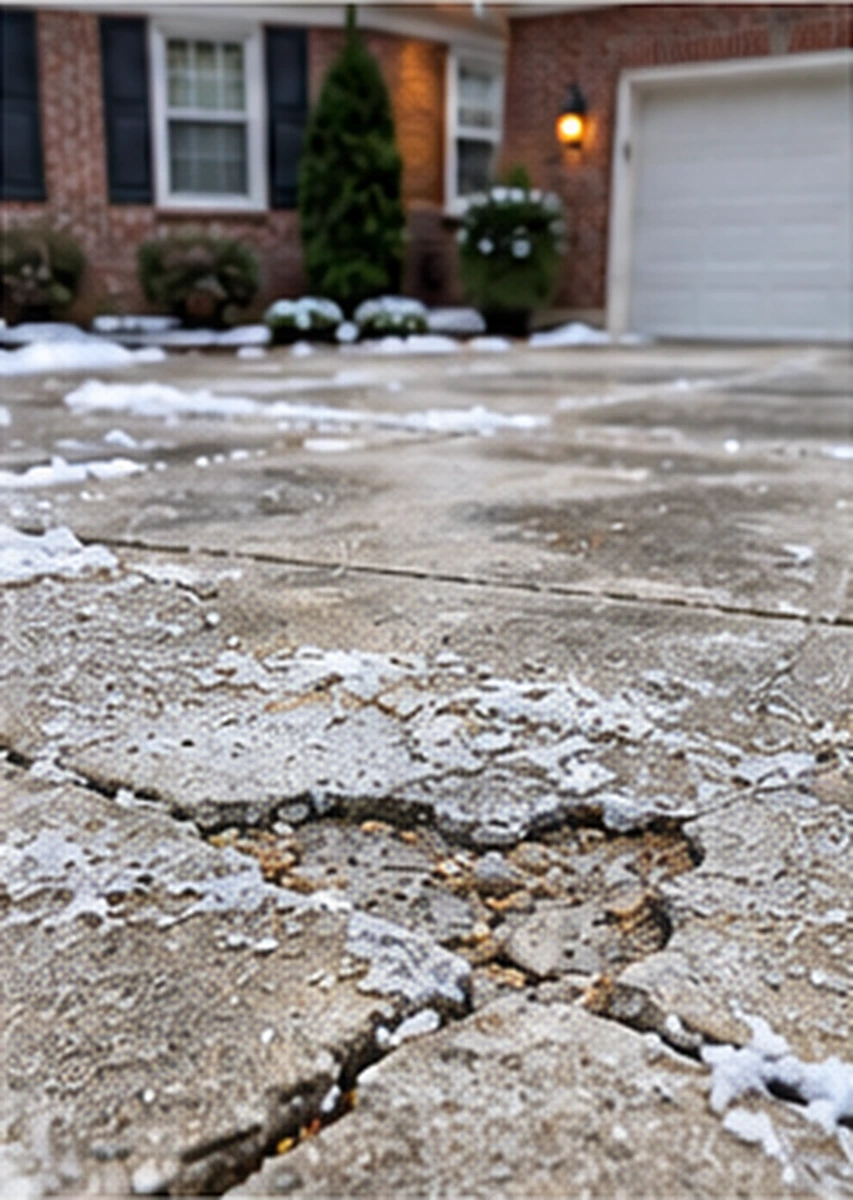
A period-appropriate surface is only half the job. The slab underneath has to hold up to modern loads, Maryland clay-soil movement, and the freeze-thaw cycles that destroy weak pours every winter. The right approach is structurally modern beneath a historically faithful face.
That means a properly excavated and compacted aggregate sub-base, rebar or fiber reinforcement, an air-entrained mix engineered for freeze-thaw, and control joints placed so the slab cracks where you want it to — not across a hand-broomed front walk. We use the same structural standards on a 1928 bungalow walkway that we use on commercial flatwork; the only difference is the finish.
For homeowners weighing options, the decision tree typically looks like this:
- Failing historic walk or stoop with intact subgrade → surface repair and aggregate-matched overlay.
- Full replacement required → new period-finished sidewalk with custom mix design.
- Decorative front porch or patio → exposed-aggregate concrete patio or carefully detailed stamped concrete.
- Period retaining wall along a sloped front yard → engineered retaining wall with faced or board-formed finish.
The best outcome — a passing HAWP review, a slab that survives 50 winters, and a finished surface that looks like it has always been there — comes from working with a contractor who has poured in your district before and knows how the Commission reads a submission.
Planning Historic-District Concrete Work in Silver Spring or Takoma Park?
SiteDoctorMD designs aggregate-matched mixes, pours mockups for HPC review, and handles modern reinforcement beneath a period-correct finish. Free, no-obligation written estimates.